Best AI Video Generators: Beginner Comparison
Start here if you want the fastest overview before drilling into narrower use cases.
Open starting guideCategory
Tutorials, comparisons, prompt examples, and beginner workflows for short clips, explainers, avatar videos, captions, and storyboard-led production.
short clips, explainers, avatar videos, captions, and storyboard-led production.
Use the comparison tables to decide which tool fits each job.
Start here
A strong category page should not make the reader guess which article matters first. These picks route a beginner into the fastest useful next step.
Start here if you want the fastest overview before drilling into narrower use cases.
Open starting guideUse a comparison page before you choose a subscription, workflow, or default tool in this cluster.
Open comparisonMove from tool discovery into a repeatable sequence that helps a beginner finish an actual task.
Open workflowUse a prompt library or checklist to tighten output quality before you publish, ship, or pay.
Open prompt or checklistUse the cluster well
This layer is here to increase search utility: when to use the category, what to compare, and how to avoid wasting a subscription on the wrong task.
You need help with short clips, explainers, avatar videos, captions, and storyboard-led production and want a task-first route instead of opening tools at random.
Do not treat brand awareness as proof. Use the comparison pages to check workflow fit, output quality, and review burden first.
Pick one guide, test one real task, and only then decide whether this cluster needs a paid tool or just a better workflow.
Look for pages with examples, prompts, checklists, and mistake prevention. Those are stronger than generic tool roundups.
Library
Learn how to create short clips with storyboard-first planning with a clear workflow, examples, and beginner mistakes to avoid.
Learn how to choose video tools by clip type and budget with a clear workflow, examples, and beginner mistakes to avoid.
Learn how to plan shots before spending generation credits with a clear workflow, examples, and beginner mistakes to avoid.
Learn how to turn scripts into presenter-style training videos with a clear workflow, examples, and beginner mistakes to avoid.
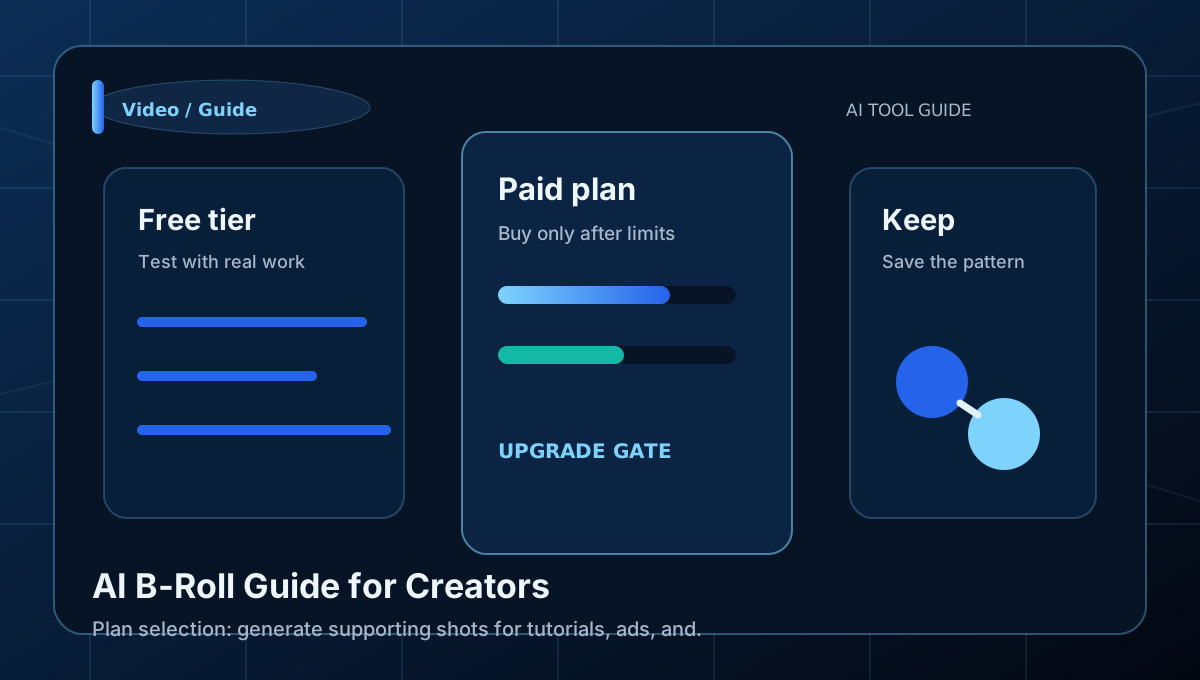
Learn how to generate supporting shots for tutorials, ads, and explainers with a clear workflow, examples, and beginner mistakes to avoid.
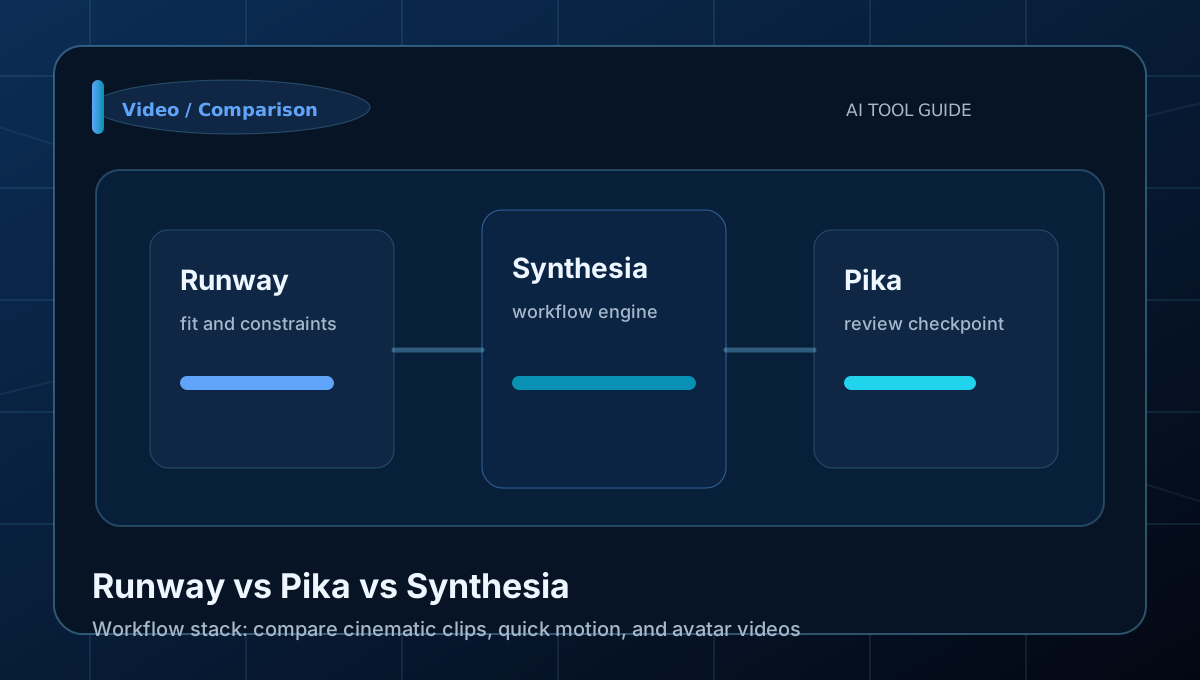
Learn how to compare cinematic clips, quick motion, and avatar videos with a clear workflow, examples, and beginner mistakes to avoid.
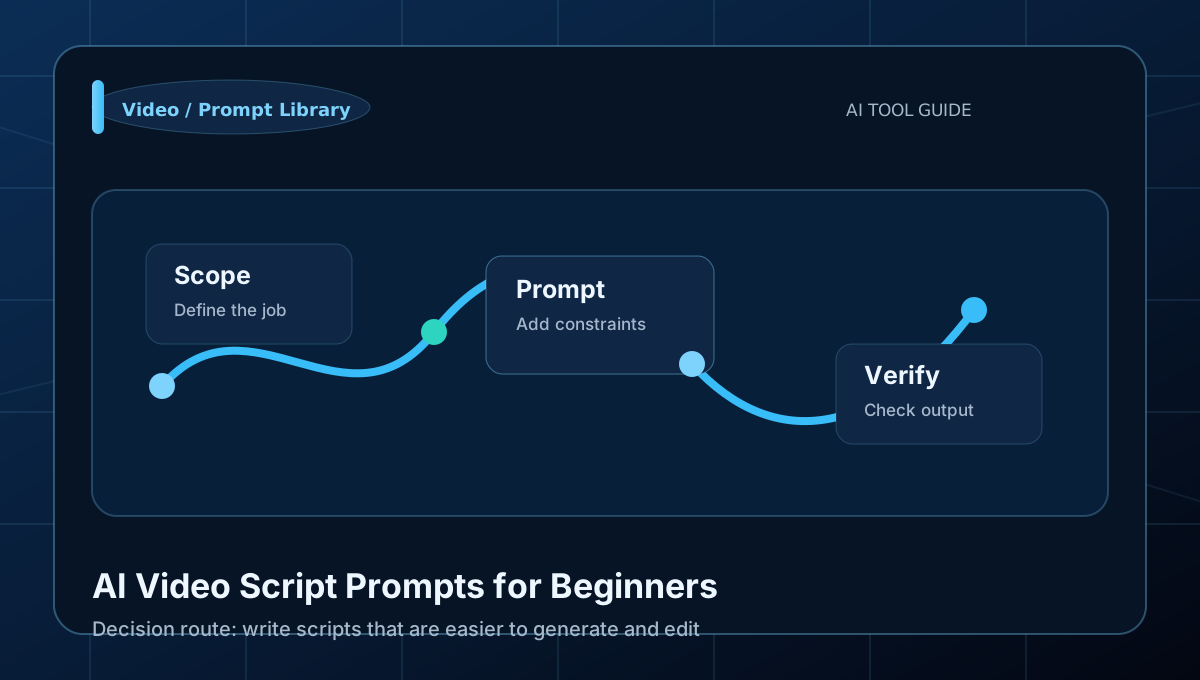
Learn how to write scripts that are easier to generate and edit with a clear workflow, examples, and beginner mistakes to avoid.
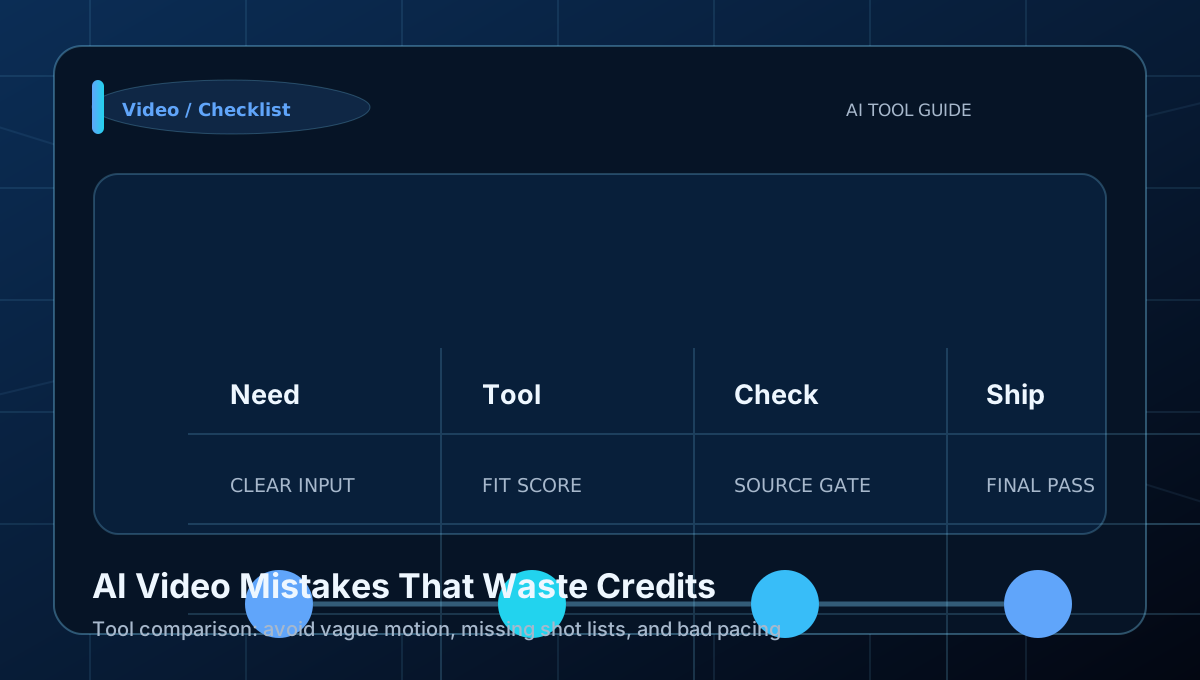
Learn how to avoid vague motion, missing shot lists, and bad pacing with a clear workflow, examples, and beginner mistakes to avoid.
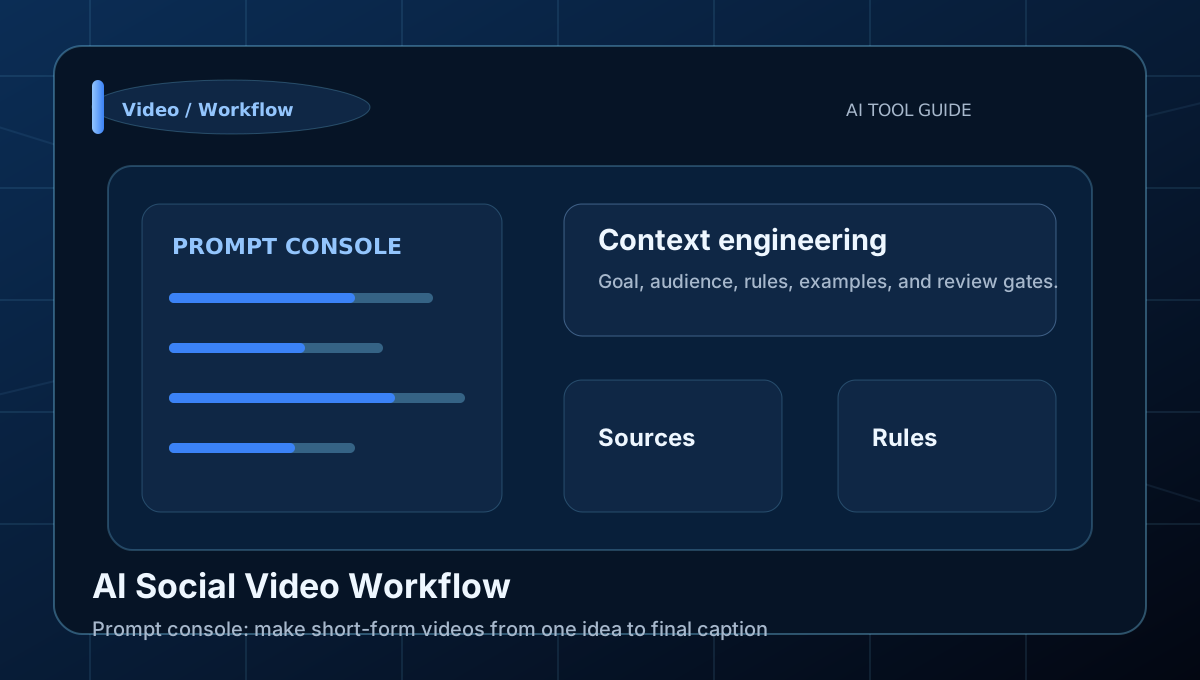
Learn how to make short-form videos from one idea to final caption with a clear workflow, examples, and beginner mistakes to avoid.
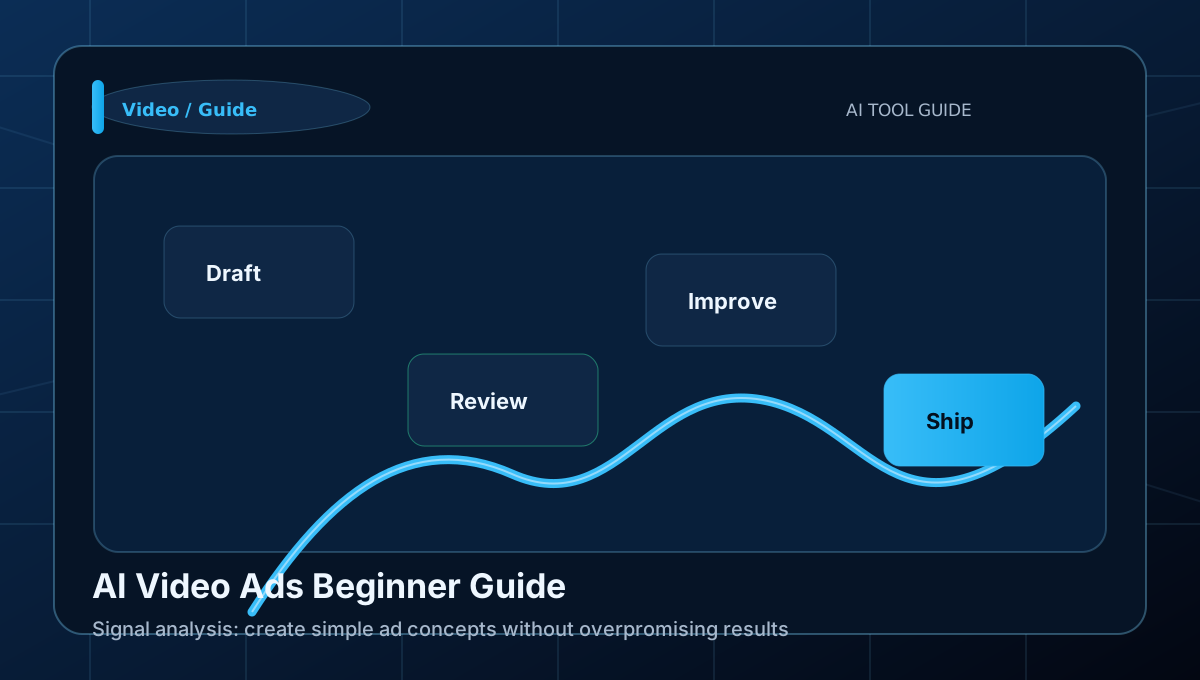
Learn how to create simple ad concepts without overpromising results with a clear workflow, examples, and beginner mistakes to avoid.
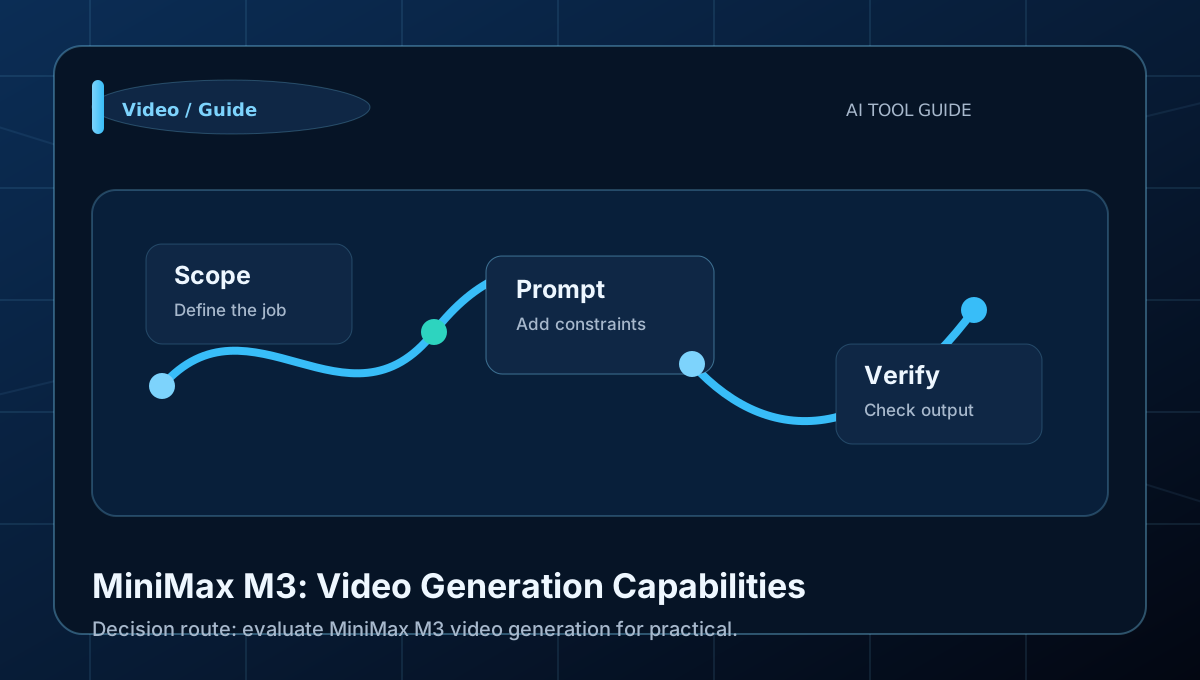
Multimodal models show promise but need real-world production testing.
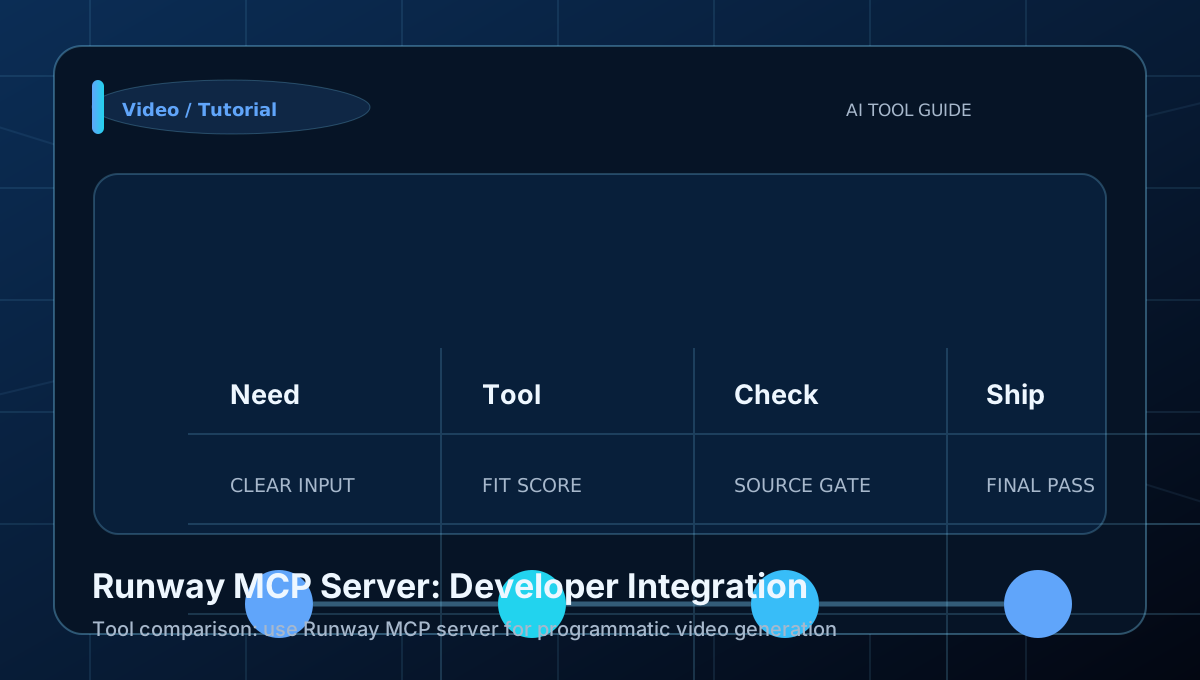
MCP integration enables automated video workflows but requires development effort.
AI video ads work for concepts and variations, human direction remains essential.
UGC-style AI ads need authentic feel, not just technical quality.
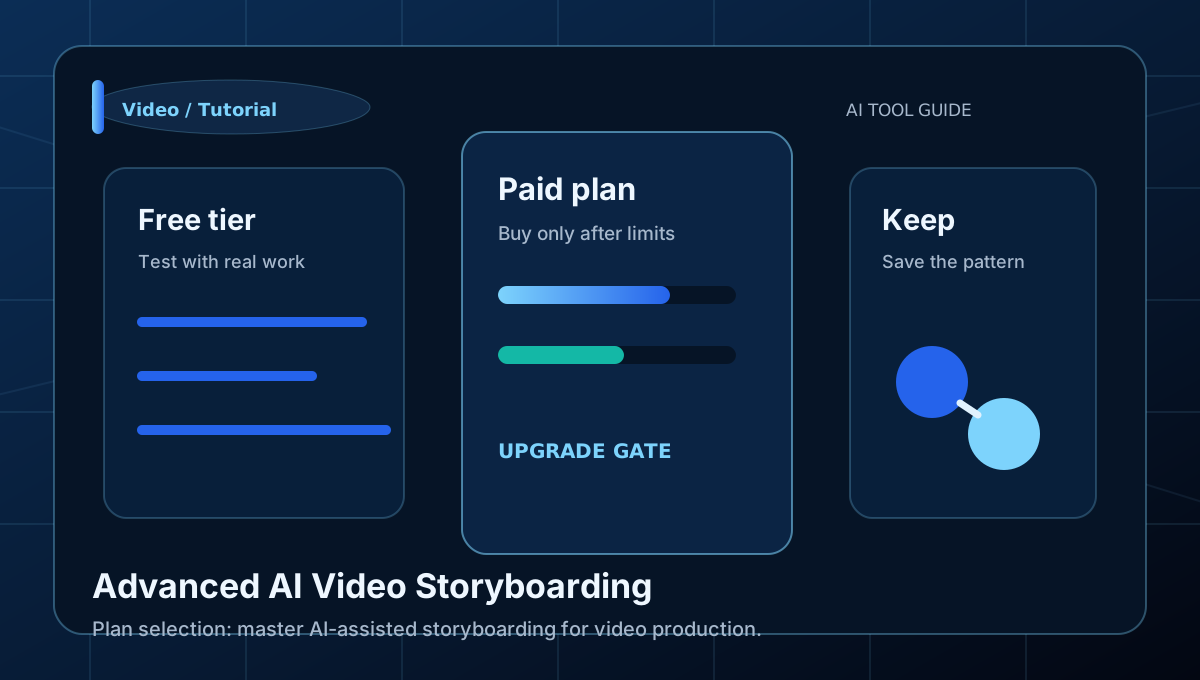
Storyboarding works best when AI handles visualization, humans handle narrative.
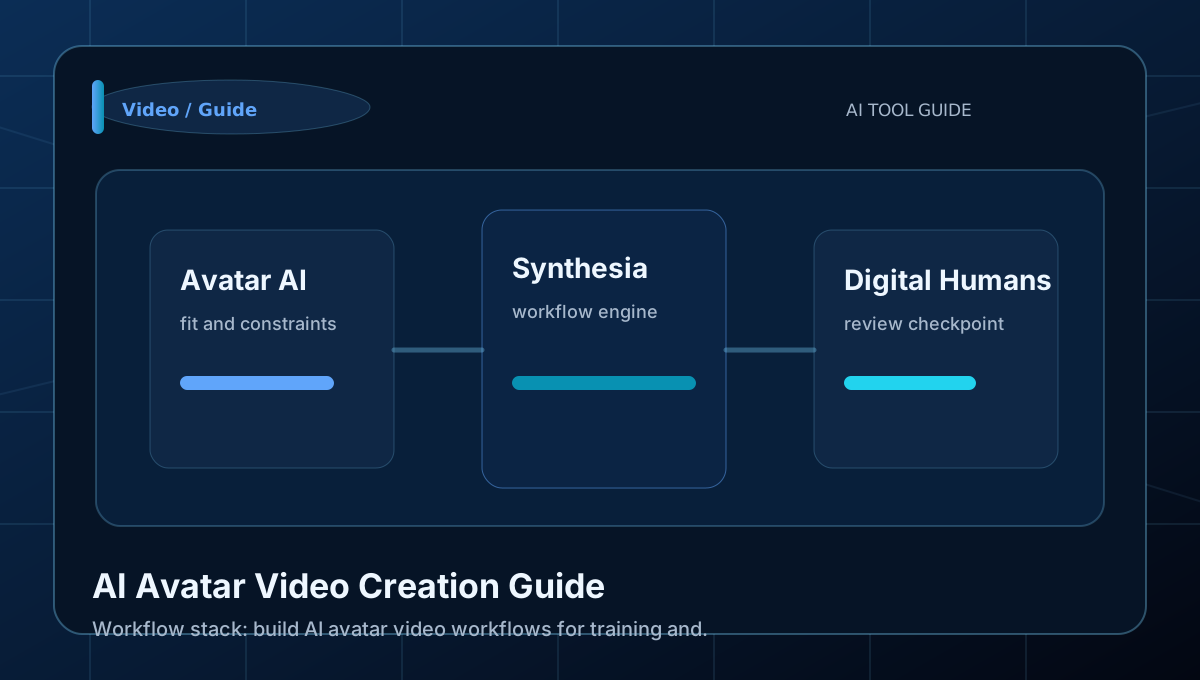
Avatar videos work for standardized content, not personalized communication.
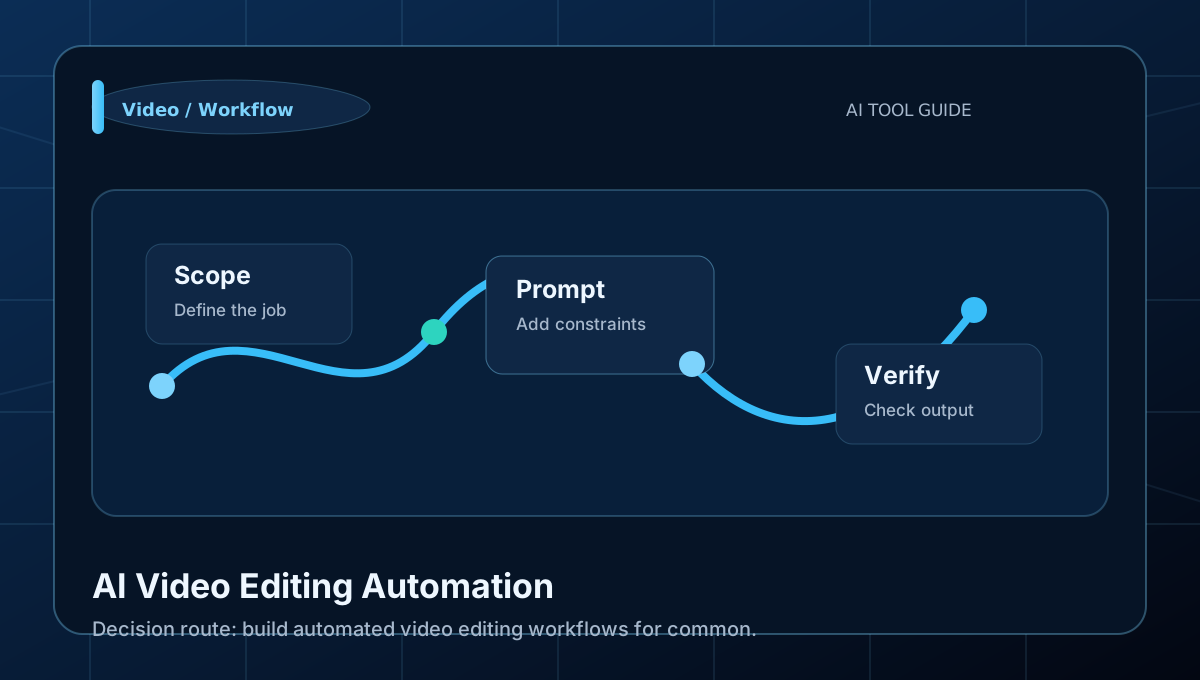
Automation works for repetitive tasks, creative editing needs human judgment.
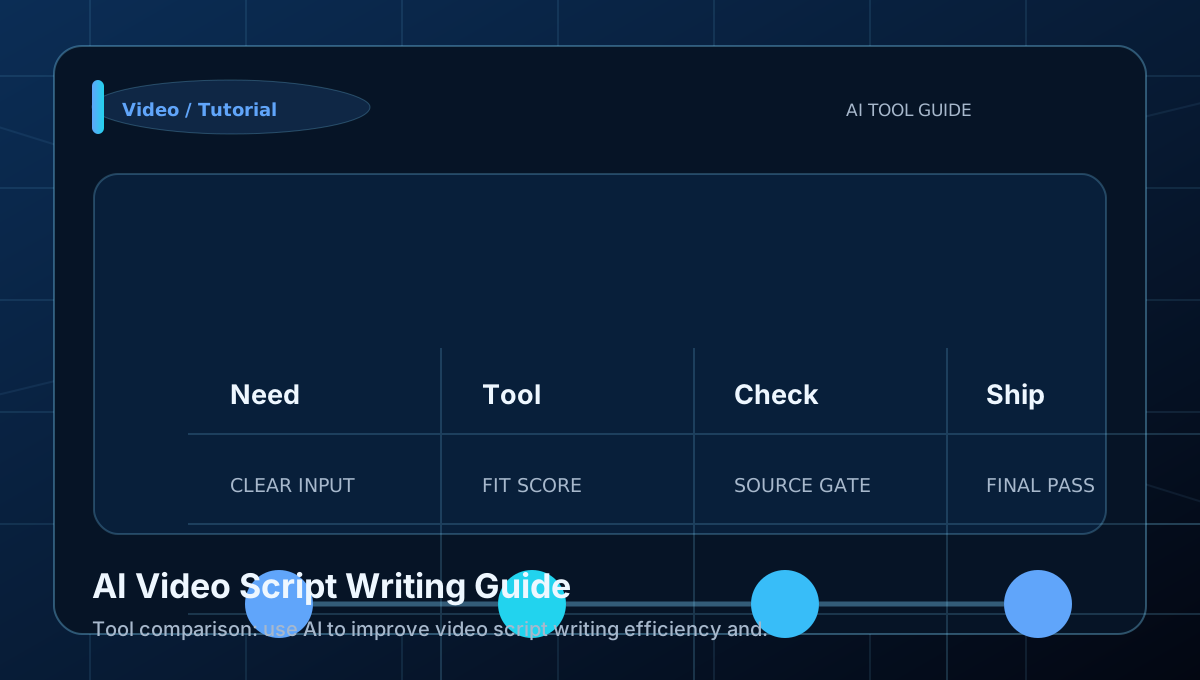
AI script writing works for structure and variation, human voice remains essential.
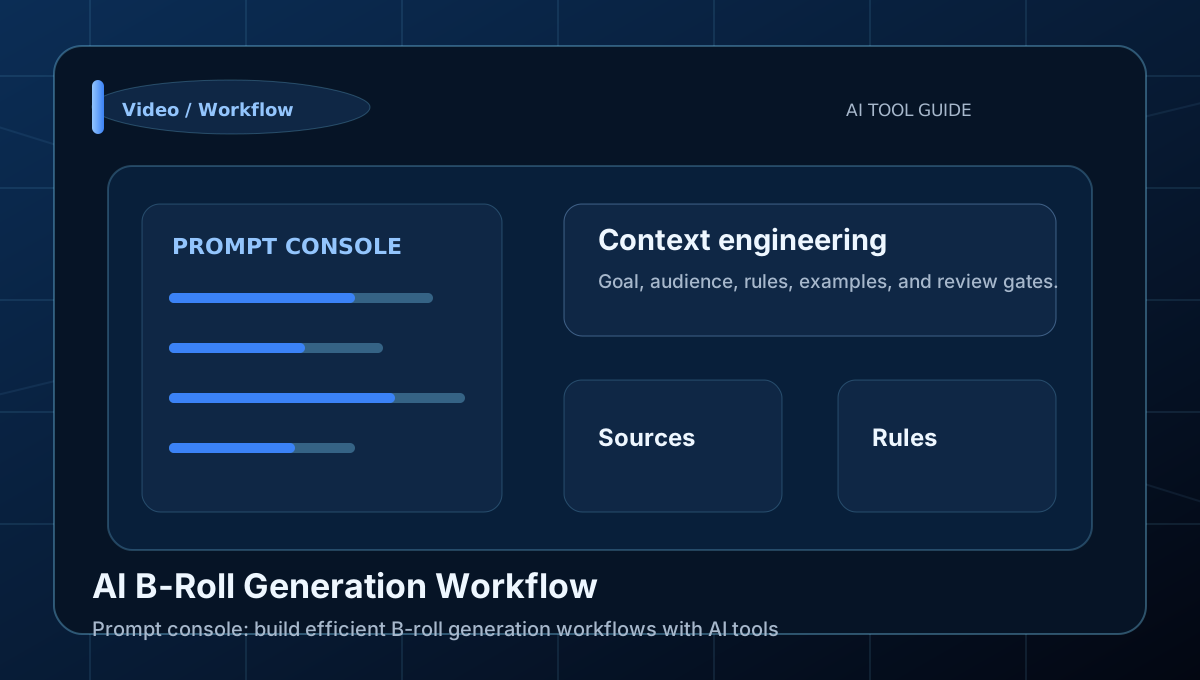
AI B-roll works for generic footage, specific concepts need custom generation.
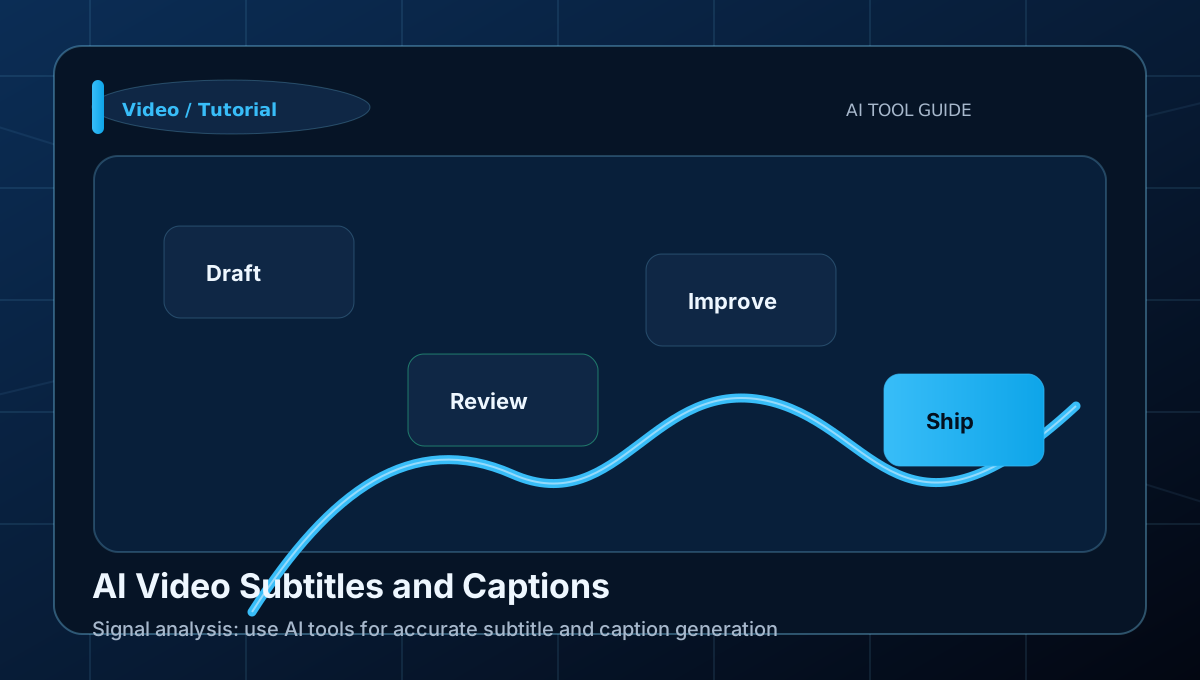
AI subtitles work well but need human review for accuracy.
Repurposing works when platform-specific requirements are understood.
Analytics work when insights drive actionable improvements.
AI translation works for understanding, professional localization needs human review.
Live streaming AI works best for automation, not creative direction.
Cost reduction works when AI handles repetitive tasks, humans handle quality.